Research-driven monetization
Alumni interviews grew add-on revenue by 26% year over year, and a market analysis helped relaunch a beginner course and double its revenue with zero promo spend
- Product Manager
- 2025 — 2026
+26%
revenue from add-on products year over year
×2
course revenue after the relaunch, with zero promo spend
20
in-depth interviews with alumni
50%
of respondents extended access because they hadn’t finished the course
21
competitor programmes analysed
4 of 7
hypotheses about weak course sales confirmed
Context and goal
Add-on products
After a course, alumni can extend access to the materials or buy a review of their work by an art director. These products had never been tested with users: who buys them and why was unclear.
A course for beginners
A short course for beginner designers sold poorly at its first launch and brought no new audience. We needed to understand why and decide what to do with the product.
My role
I designed both studies, ran the interviews and the market analysis, wrote the findings and turned them into decisions: what to change in the product, communication and price.
Approach: research ends with a decision
Research for the sake of a report is worth nothing. So each study started with a business question and ended with decisions whose result can be counted in money.
Business question
What exactly isn’t working and what it costs.
Method that fits
Interviews explain why people act the way they do; market analysis shows what they compare us with.
Decision and check
A hypothesis with a metric you can count after launch.
The approach works in any product with repeat purchases and a long choice: subscriptions, upsells, B2B services.
Alumni interviews: what was holding add-on sales back
The study. 20 in-depth interviews with alumni who had bought an access extension, a work review or both: from junior to senior and leads, designers and product managers. I recruited through the bot where alumni buy extensions and asked separately what price people consider fair.
50%
Hadn’t finished the course
The main reason to extend: get to the end and leave with a finished portfolio project.
≈ half
Didn’t know how to buy
People learned about the option from chats. After the course they wrote to support or to a manager directly.
2 types
Want different reviews
Some need a quick direction in 15 minutes, others a detailed review with questions.
«When I extend, I expect the whole package to be extended. But here everything is separate.»
«It was important for me to do a small recap so I could feel calm at interviews.»
«My feedback sessions expired. I paid for a service and didn’t get it.»
The main finding. The demand for extensions was there: people simply missed the moment their access ended and didn’t know it could be extended. So as a first step I launched automated bot reminders before access ends, explaining why it’s worth extending. Add-on revenue grew by 26% year over year. The other findings became a roadmap for add-ons: sell the extension together with a work review for finishing a portfolio project, introduce two review levels by depth and price, and stop unused reviews from expiring.
Market analysis: why the course sold poorly
First I split the problem in two. Weak sales could mean two different things. Either people saw the page and didn’t buy — then it’s about the offer, price and trust. Or few beginners reached the page at all — then it’s about the acquisition channel. A market analysis answers the first question; funnel numbers and interviews answer the second.
Seven hypotheses. The ads reached the wrong people. We sold a working method, while a beginner buys a profession. The price had nothing to compare against. Reviews spoke the language of experienced designers. The page used insider words. There were entry barriers such as paid Figma. Free and cheap alternatives took the beginners.
An analysis of 21 programmes. Mass-market platforms, EdTech companies with a strong brand, author courses and international peers. For each I collected the offer verbatim, price and instalments, guarantees, proof of results and what they give for free before payment. I signed up for the funnels of key competitors myself to see how they sell.
15 of 21
Sell a profession
A beginner buys a new job and first income. The market sells expensive skill courses to people already working in the field.
≈5,400 ₽
Compare the monthly payment
The market is used to 36-month instalments, and our one-off price equalled 5–7 monthly payments at a competitor.
Almost nobody sells art direction
At mass-market platforms the community is a chat of fellow beginners. A live review by a practising art director is something they can’t copy. Our page didn’t make it the main promise.
Relaunching the course: what we changed
The name. We renamed the course to UX/UI from scratch so a beginner understands right away what they’re buying.
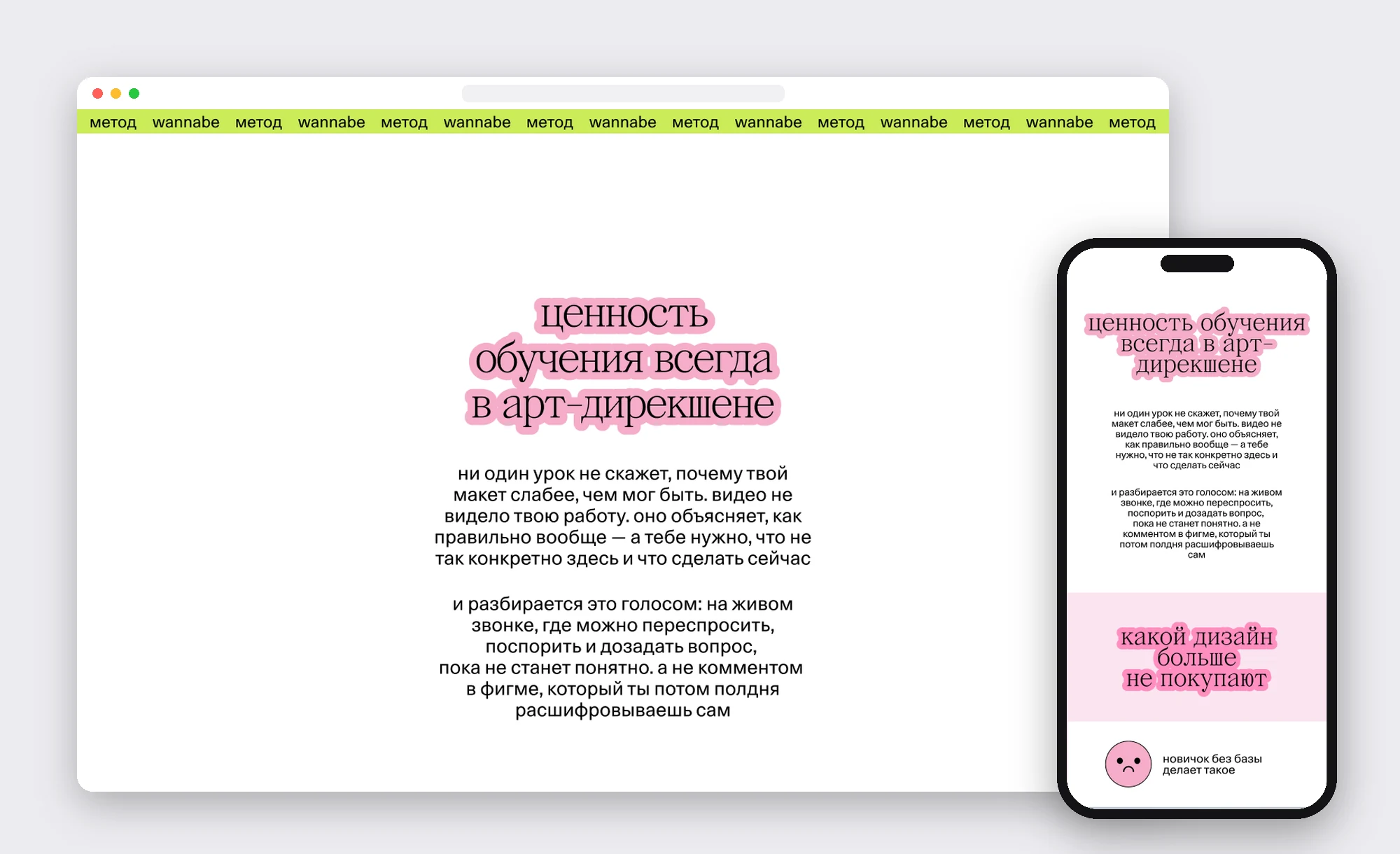
The problem. The first version of the page scared people: the market no longer waits for beginners. The new one explains that tools and client expectations have changed while design education has fallen behind, and the course closes that gap.
Art direction as the main promise. A dedicated block says the value of learning lies in a live review of your work with an art director: no video lesson will tell you why your layout is weaker than it could be.
The result you leave with. Instead of emotional reviews we showed alumni work: people see what they’ll be able to make and put in their portfolio.

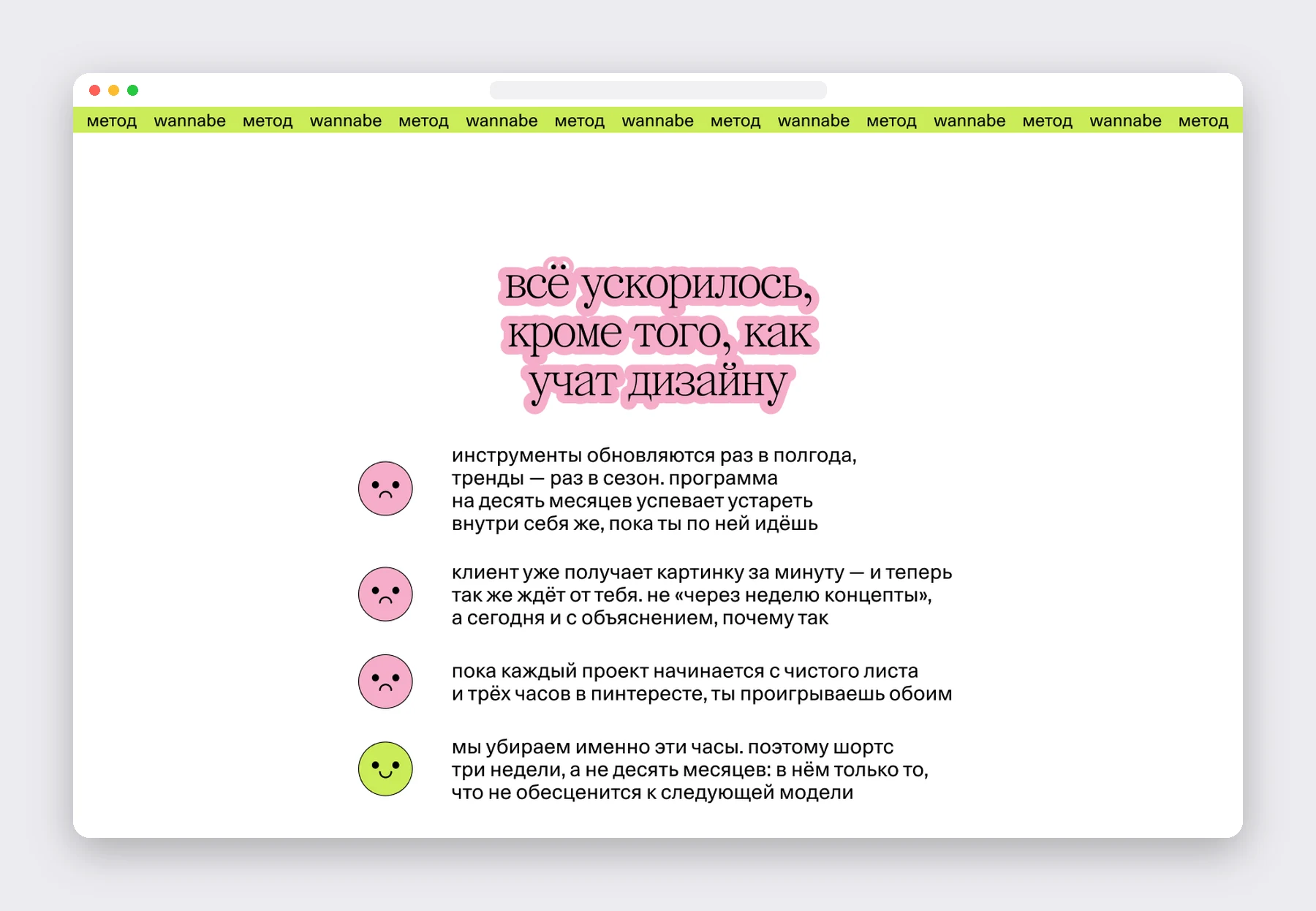
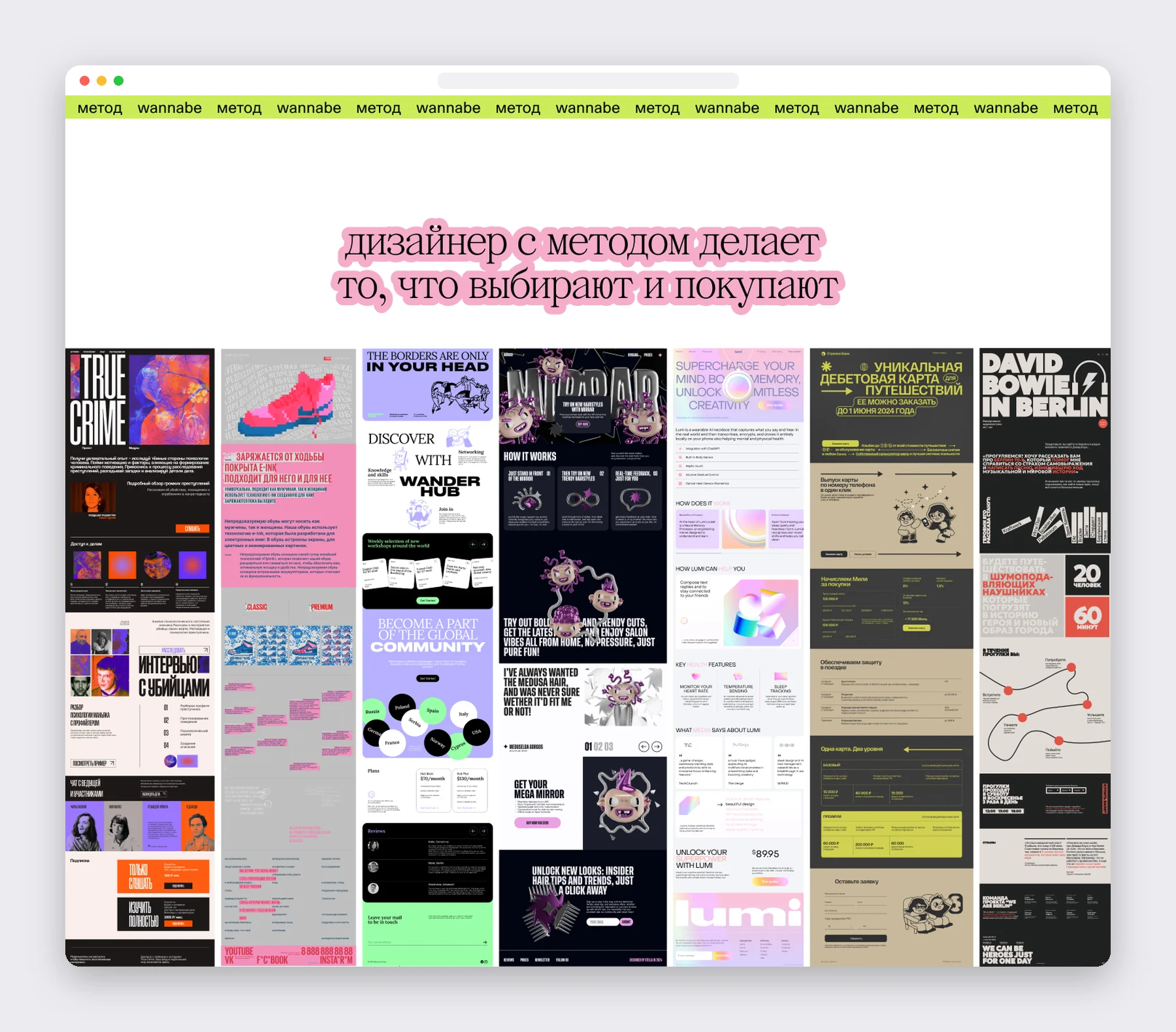
The result. The first launch was promoted with an event and ads. The relaunch was sold only through emails and messages to our own base, with zero promo spend, and course revenue doubled.
What didn’t work
Not all the growth came from the research. Part of the add-on growth in early 2026 came from two courses closing: alumni rushed to extend access. So I measure the effect over nine months, not the best quarter.
The market analysis didn’t answer the main question. It showed how to sell the course to a beginner, but not whether beginners reach the page at all. Only funnel numbers and interviews show that, and I put that check into the plan for the next launch.
What works in any product
- 01
Weak upsells often come down to timing. The demand was there, but people didn’t see the offer when they needed it. A reminder at the right moment brought +26% revenue.
- 02
First find where people drop off. If people see the page and don’t buy, change the offer. If few people reach the page, change the channel.
- 03
See yourself through the buyer’s eyes. A beginner compares the monthly payment and the promised result, and only then the course price.
- 04
Sell what a competitor can’t copy. Mass-market platforms can’t offer a live review by a practising art director, so it became the main promise.
- 05
The name is part of the product. A word only insiders understand cuts off a cold audience before the price does.
- 06
Measure the effect honestly. Separate growth from the research from external causes, or your next decisions will rest on inflated numbers.
«I recommend Ilya without reservation as someone who will get to the bottom of anything and find the shortest and most effective path to solving a problem.»